
As the clock ticks toward midnight on December 31st, Mexico comes alive with vibrant traditions, deeply rooted in culture, family, and a bit of superstition. Across the country, families and friends gather to celebrate the transition into a new year with rituals that are as diverse as Mexico itself. From indulging in curious culinary customs to partaking in symbolic acts, New Year’s traditions in Mexico are a festive blend of joy, hope, and reflection.
Read on to find out how New Year’s is celebrated in Mexico and the rituals that you can take part in here or in your home country!
Contents
- The Twelve Grapes: A Wish for Every Month
- Colors of Luck: Red, Yellow, Green and White
- Sweeping Out the Old
- Fireworks and Festivities
- Walking with Suitcases: A Traveler’s Wish
- A Feast for the Occasion
- Lentils for Prosperity
- Regional Variations of New Years Traditions in Mexico
- Looking Ahead
- If you enjoyed this article, you might also like:
- If you like this article, pin it for later!
The Twelve Grapes: A Wish for Every Month
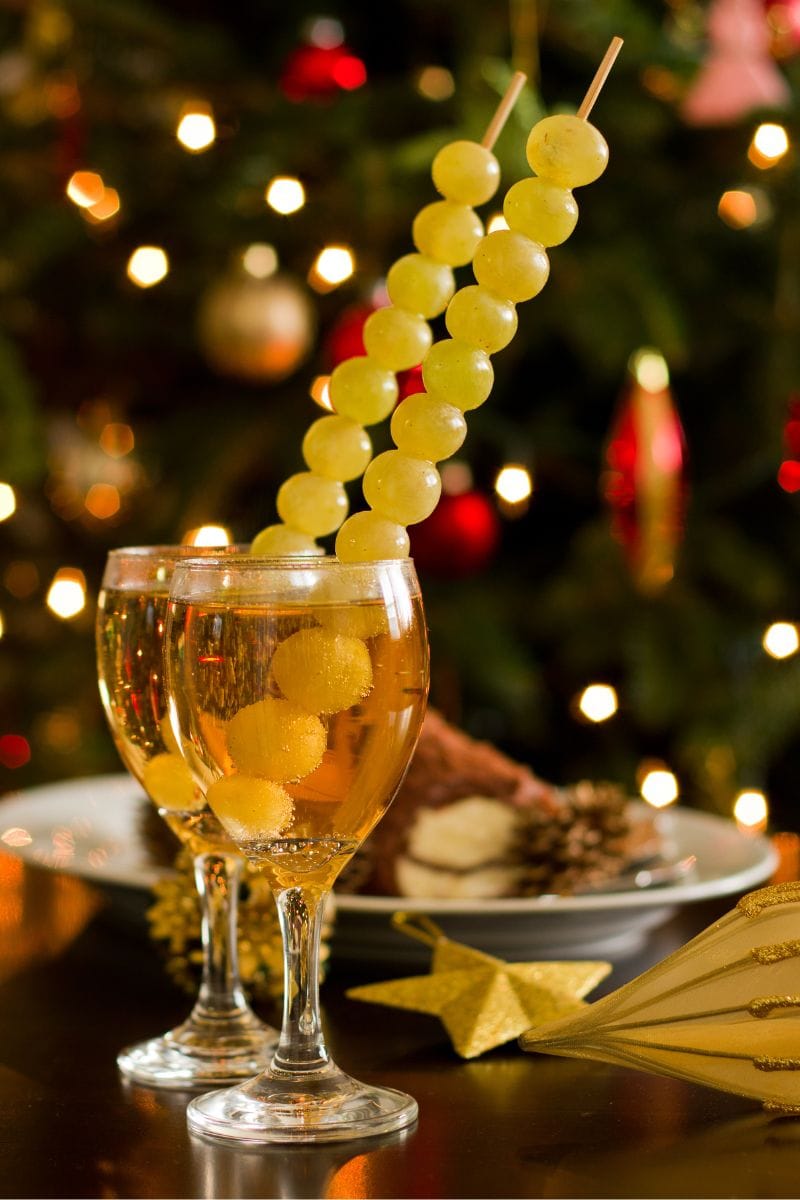
One of the most widely observed traditions is eating twelve grapes at the stroke of midnight. Each grape represents a wish or goal for the upcoming year. As the chimes of the clock echo, Mexicans quickly consume one grape per chime, often accompanied by silent prayers or spoken wishes. Some families assign specific meanings to the grapes based on their color—red symbolizing love and passion, and green representing prosperity and growth.
The ritual actually requires swift coordination, as the challenge of eating all twelve grapes within the twelve chimes adds a sense of excitement and urgency to the moment. This tradition, believed to have originated in Spain, has been embraced across Mexico as a way to manifest hopes and intentions for the new year.
Colors of Luck: Red, Yellow, Green and White
One of the most playful (and popular) Mexican New Year traditions is choosing your underwear based on what you want to attract in the year ahead. It’s a tradition with roots in Roman and Mediterranean cultures, where color carried meaning and was thought to influence fate. Over time, it traveled to Southern Europe, went underground (literally), and then landed in Latin America—where it evolved with humor, color, and a bit of folklore.
Here’s the genrally accepted color guide:
Red = Love and passion
Yellow = Money and prosperity
White = Peace and good health
Green = Well-being and balance
But there’s a catch: the underwear should be new, ideally gifted, and worn before midnight. The idea is to set your intention when the clock strikes twelve, drawing that energy in from the inside out.
Whether it works or not? That’s up to you. But it’s a fun excuse to start the year with fresh undies and a hopeful heart.
Sweeping Out the Old
Out with the old. Literally.
Some people ring in the new year with confetti and champagne. Others do it with a broom. In many Mexican homes, you’ll find people sweeping just before or just after midnight—not to clean, but to clear out the energy of the old year. The act is symbolic: sweeping out negativity, bad luck, or lingering burdens so there’s space for something better.
It’s usually done at doorways or windows, with the motion going outward. Some households even burn old paperwork, bad memories, or notes from the past year in small bonfires or fire-safe containers.
This ritual is about release and renewal. Letting go. Starting fresh. It pairs well with a deep breath, a quiet moment, or even a good cry. Sweeping the house is believed to remove negative energy, clearing the way for positivity and prosperity. Similarly, some families open windows and doors at midnight to let the old year out and invite the new one in.
Fireworks and Festivities
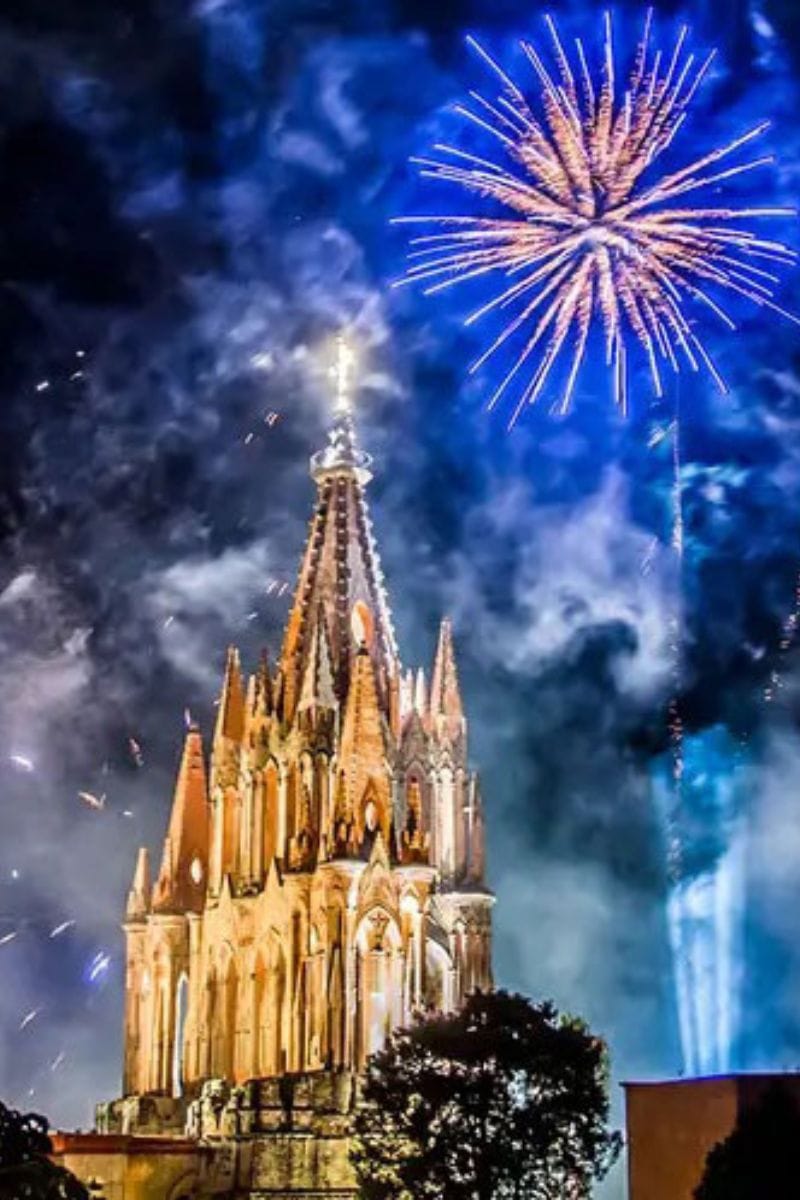
No New Year’s celebration in Mexico would be complete without fireworks lighting up the sky. Cities and towns host grand displays, with the largest often found in Mexico City, Guadalajara, and Monterrey. Fireworks are not just a spectacle; they’re also believed to ward off evil spirits, ensuring a bright start to the year.
For better or for worse, fireworks seem to be falling out of favor in parts of Mexico. Some municipalities have banned them altogether and have pivoted their New Year’s eve spectaculars to include drone shows in replace of traditional pyrotenics. Time will tell whether evil spirits are kept away by the new technology.
Whether you are a fan of fireworks or not, almost everyone has sparklers for New Year’s Eve. These are easy to find in local markets that will stock up just in time for the holiday. Be sure you get yours before they sell out!
Walking with Suitcases: A Traveler’s Wish
If you’re dreaming of a year filled with travel, this is your moment. At the stroke of midnight, grab an empty suitcase and take it for a walk around the block. Some say a lap around the house is enough. Others insist on circling the entire neighborhood. Either way, the message is the same: you’re inviting movement, adventure, and journeys—physical or metaphorical—into your life.
This tradition is one of the newer additions to the New Year’s lineup, but it’s grown in popularity across Mexico and Latin America in the last few decades. It’s often done with laughter, a bit of showmanship, and a healthy sense of fun. For best results, walk with intention. Visualize where you want to go, and imagine yourself already en route.
Bonus: neighbors may join you. And why not? The more travelers, the better.
A Feast for the Occasion
Food plays a central role in New Year’s traditions in Mexico. Families often gather for a late-night dinner featuring dishes like bacalao (salted cod), romeritos (a dish made with seepweed and mole), and tamales. The meal is both a celebration of the past year and a hopeful start to the next. Many also serve ponche, a warm fruit punch spiced with cinnamon, or sidra, a sparkling cider, to toast at midnight.
Lentils for Prosperity
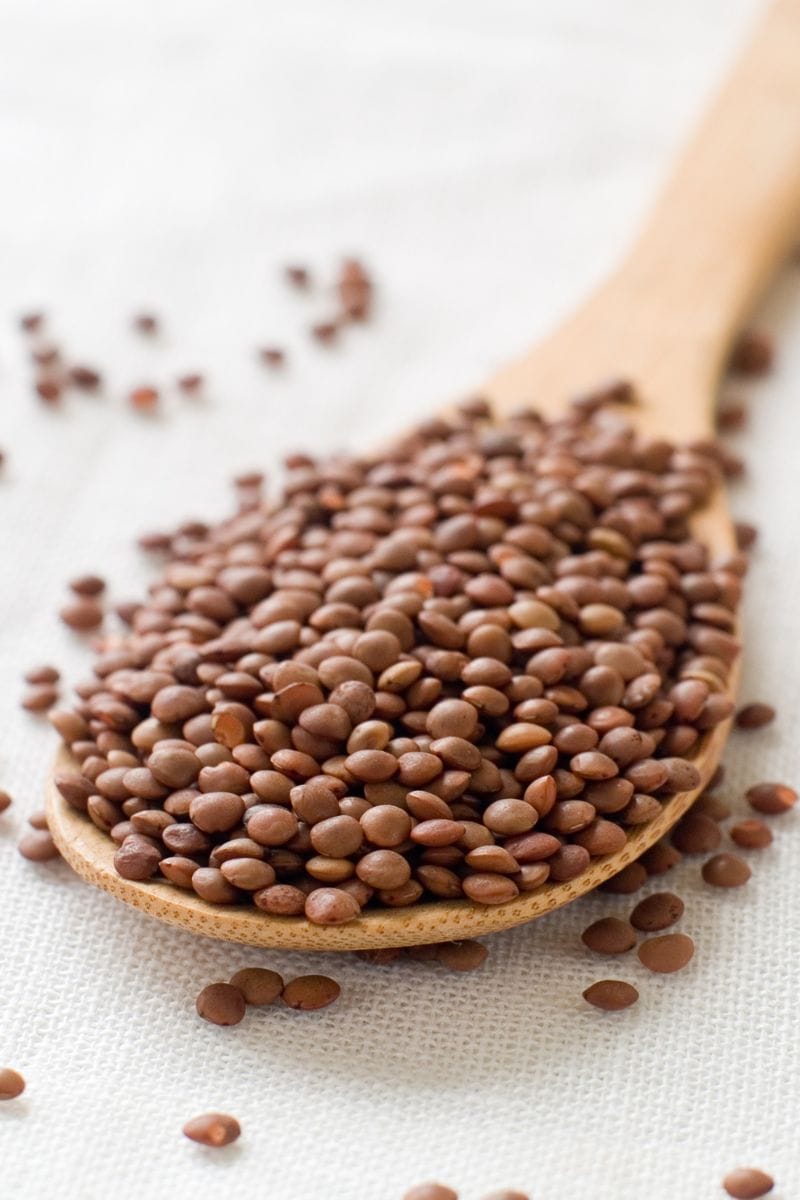
Lentils hold a special place in Mexican New Year’s traditions as a symbol of abundance and prosperity. Many families either eat a small serving of cooked lentils or sprinkle raw lentils on their doorstep as a way to invite good fortune into their homes. This simple yet meaningful act is often paired with other rituals for attracting wealth and success, blending practicality with a touch of magic.
Various other customs aim to attract good fortune. Placing coins in shoes or sweeping money toward the house’s entrance are thought to encourage financial prosperity. Some people write down their wishes or regrets, burning the paper as a symbolic act of letting go or manifesting their dreams.
Regional Variations of New Years Traditions in Mexico
While many traditions are shared nationwide, some regions add their unique flair. In Oaxaca, elaborate dances and street parties are common, blending Indigenous and colonial influences. Meanwhile, in Chiapas, offerings to ancestors and deities are incorporated into the celebrations, reflecting the state’s strong spiritual heritage. Coastal towns often include elements of the sea, such as throwing flowers into the waves to honor Yemayá, the goddess of the sea.
Looking Ahead
Above all, New Year’s in Mexico is about connection. Families reunite, friends come together, and communities celebrate in unison. It’s a time to reflect on shared memories, express gratitude, and look forward to the future with optimism.
These New Year’s traditions reflect the universal desire for renewal, love, health, and happiness, expressed in uniquely Mexican ways. As the year turns, these rituals serve as a reminder of the importance of hope and human connection—values that should resonate far beyond December 31st.
If you enjoyed this article, you might also like:
Feliz Navidad! Christmas Traditions in Mexico
The Strange History of the Poinsettia
If you like this article, pin it for later!